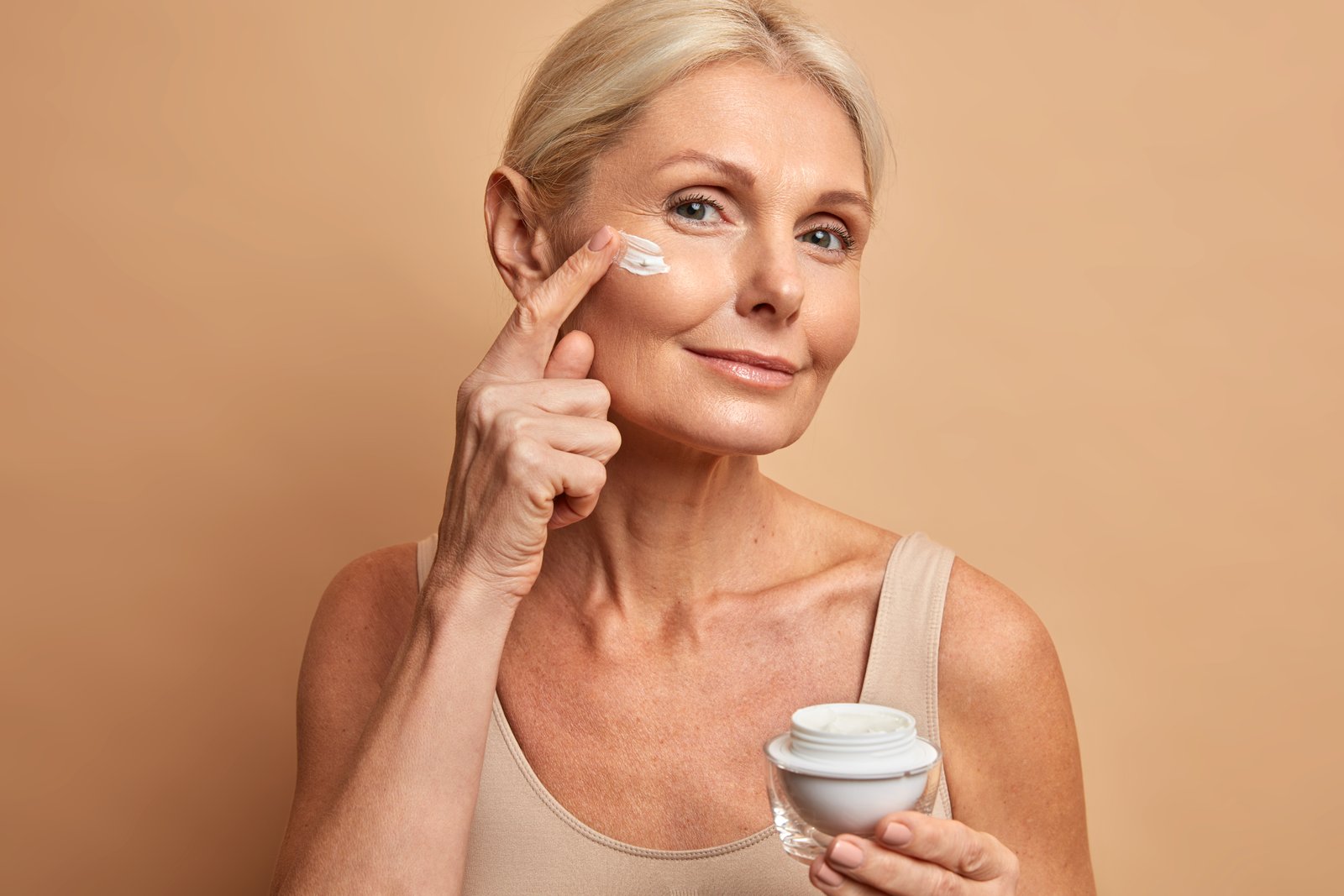
A good morning skincare routine for dry mature skin should leave your complexion feeling comfortable, smooth and protected—not tight, greasy or covered in layers of products that pill under makeup.
As skin matures, it often becomes drier and less resilient. Hormonal changes, lower oil production, sun exposure, indoor heating and harsh skincare products can all contribute to rough texture, tightness and more noticeable fine lines.
The goal of a morning routine is not to use as many anti-aging products as possible. It is to cleanse gently, add hydration, address your most important concern, seal in moisture and protect your skin from the sun.
This simple five-step morning skincare routine includes medium-to-higher-priced products available on Amazon for women who want effective formulas without creating an overly complicated regimen.
Understanding Dry Skin
Why Does Mature Skin Become So Dry?
Dry skin occurs when the skin loses too much water. With age, the skin may produce less natural oil and become less efficient at retaining moisture.
Dry mature skin may feel:
Tight after cleansing
Rough or flaky
Itchy or uncomfortable
Less plump
More sensitive
Dull
Crepey around the eyes or cheeks
Fine lines may also appear more noticeable when the skin is dehydrated. Adding moisture will not permanently erase wrinkles, but well-hydrated skin often looks smoother and more radiant.
The American Academy of Dermatology recommends using a creamy, fragrance-free moisturizer for older, dry skin and applying moisturizer while the skin is still slightly damp. Creams and ointments generally hold moisture more effectively than lightweight lotions.
Step by Step
The Best Morning Skincare Routine for Dry Mature Skin
Step 1
Cleanse Without Stripping the Skin
Cleansing removes sweat, skincare residue and oil that accumulated overnight. However, a strong foaming cleanser can remove too much of the skin’s protective oil and leave dry mature skin feeling tight.
Look for a gentle cleanser with a creamy or lotion-like texture. Helpful ingredients may include:
Ceramides
Glycerin
Hyaluronic acid
Niacinamide
Squalane
Avoid using very hot water. Lukewarm water is less likely to worsen dryness and irritation.
01
La Roche-Posay Toleriane Hydrating Gentle Face Cleanser
Best Gentle Cleanser for Normal-to-Dry Mature Skin
La Roche-Posay Toleriane Hydrating Gentle Face Cleanser is formulated for normal-to-dry and sensitive skin. It contains ceramide-3 and niacinamide and is designed to cleanse without disrupting the skin’s natural moisture barrier or pH.
The fragrance-free formula has a creamy texture that does not produce the aggressive lather associated with many traditional face washes. Its Amazon listing identifies it as a heavily purchased facial cleanser, although purchase figures and rankings can change.
Pros
Fragrance-free
Contains ceramide and niacinamide
Does not leave the skin feeling squeaky clean
Suitable for sensitive skin
Large bottle for the price
Removes light makeup and skincare residue
Cons
May not completely remove waterproof makeup
Creamy texture may feel unfamiliar to people who prefer foaming cleansers
Very sensitive skin can still react to individual ingredients
Rita’s Tip
Your skin does not need to feel tight to be clean. Massage one pump onto damp skin, rinse with lukewarm water and gently pat your face with a soft towel.
After cleansing, do not wait until your face feels completely dry and tight. Apply your hydrating serum while the skin is still slightly damp.
A serum containing hyaluronic acid, peptides or humectants can attract water and temporarily make dry skin look plumper. However, a hydrating serum should usually be followed by moisturizer. Without a cream on top, the added hydration may not be adequately sealed into the skin.
02
Estée Lauder Advanced Night Repair Serum
Best Luxury Hydrating Serum for Mature Skin
Despite its name, Estée Lauder Advanced Night Repair can be used during the day as well as at night. The formula contains hyaluronic acid and a peptide-focused technology designed to support hydration and visible skin renewal.
Its lightweight texture makes it easy to layer under a richer moisturizer without making the face feel heavily coated. Current retailer listings describe it as a peptide and hyaluronic-acid serum intended to support visible renewal and firmness.
Pros
Lightweight texture
Contains hyaluronic acid
Includes peptide technology
Layers well under moisturizer
Suitable for morning and evening
Helps dry skin look plumper and more radiant
Cons
Expensive
Not a replacement for retinol or prescription treatments
Fragrance-sensitive shoppers should review the current ingredient list
Results beyond hydration may be gradual
Rita’s Tip
Apply a few drops rather than filling the entire dropper. Press the serum gently over the face and neck instead of rubbing aggressively.
Vitamin C is a popular morning skincare ingredient because it offers antioxidant support and can help improve the appearance of dullness, uneven tone and discoloration.
Pure vitamin C, also called L-ascorbic acid, can sometimes sting dry or sensitive skin. Women who are new to vitamin C may prefer to begin every other morning rather than applying it daily.
You do not necessarily need both a hydrating serum and a vitamin C serum. When your skin feels overwhelmed or products begin pilling, alternate them or select the treatment that addresses your most important concern.
03
La Roche-Posay Pure 12% Vitamin C Serum For Face With Hyaluronic Acid & Salicylic Acid
Best Premium Vitamin C Serum for Dry Mature Skin
La Roche-Posay Pure 12% Vitamin C Serum For Face With Hyaluronic Acid & Salicylic Acid is a well-known antioxidant serum formulated with 15% L-ascorbic acid, vitamin E and ferulic acid. Vitamin E makes this version particularly appealing for normal-to-dry skin.
The brand identifies it as its 15% L-ascorbic acid vitamin C serum for fine lines and wrinkles.
Apply four or five drops to clean, dry skin before hydrating serum or moisturizer. Store the bottle away from heat and direct sunlight, and keep the cap tightly closed. The serum can naturally range from clear to pale amber, but a dramatically dark brown formula may be oxidized. When purchasing premium skincare through Amazon, confirm that the seller is authorized.
A hydrating serum adds water-attracting ingredients, while moisturizer helps soften the skin and reduce water loss.
Dry mature skin generally does better with a cream than with a thin lotion or gel. Look for ingredients such as:
Ceramides
Squalane
Hyaluronic acid
Glycerin
Shea butter
Peptides
Plant oils
Apply moisturizer to your face, neck and upper chest. These areas are frequently exposed to the sun and can become dry and crepey.
04
Tatcha The Dewy Skin Cream
Best Luxury Moisturizer for a Dewy Finish
Tatcha The Dewy Skin Cream is a rich moisturizer designed for dry skin. Its formula includes hyaluronic acid, squalane, Japanese purple rice and red algae.
The cream is intended to plump the appearance of the skin, seal in moisture and create a dewy finish. Tatcha specifically recommends The Dewy Skin Cream for dry skin and describes it as a rich cream that provides lasting hydration.
Pros
Rich, cushioning texture
Contains hyaluronic acid and squalane
Helps skin look plumper and more luminous
Works well under makeup when used sparingly
Especially comfortable during dry weather
Attractive premium packaging
Cons
Expensive
May feel too rich for combination skin
Contains botanical and fragrant ingredients that may not suit highly reactive skin
Using too much may cause makeup or sunscreen to slide
Rita’s Tip
Start with an amount about the size of a small pearl. Warm it between your fingers and press it over your face, neck and upper chest. Allow the cream to absorb for several minutes before applying sunscreen.
Sunscreen is the most important anti-aging step in a morning skincare routine.
Unprotected sun exposure contributes to:
Wrinkles
Dark spots
Uneven skin tone
Loss of elasticity
Rough texture
Skin cancer
The American Academy of Dermatology recommends applying a broad-spectrum, water-resistant sunscreen with SPF 30 or higher every morning as the final skincare step. It should be applied after moisturizer and reapplied approximately every two hours when spending time outdoors.
05
EltaMD UV Clear Broad-Spectrum SPF 46
Best Lightweight Sunscreen for Mature or Sensitive Skin
EltaMD UV Clear SPF 46 is a lightweight facial sunscreen containing transparent zinc oxide and 5% niacinamide. It is formulated for normal, sensitive, acne-prone and rosacea-prone skin.
Although its texture is lighter than a traditional moisturizing sunscreen, it layers well over a richer face cream. The brand states that it provides broad-spectrum SPF 46 protection and includes niacinamide to help address the appearance of discoloration and blemishes.
Pros
Broad-spectrum SPF 46
Contains transparent zinc oxide
Includes 5% niacinamide
Lightweight and non-greasy
Available in tinted and untinted versions
Layers well under makeup
Suitable for sensitive and redness-prone skin
Cons
May not feel moisturizing enough when used without face cream
More expensive than many drugstore sunscreens
Can pill when applied over too many skincare layers
The tinted shade may not match every complexion
Rita’s Tip
Use enough sunscreen to cover the face, ears, neck and upper chest. Applying only a tiny amount will not provide the level of protection printed on the bottle. Let each skincare layer settle before applying the next.
Apply products from the lightest texture to the richest texture, finishing with sunscreen. A complete routine would look like this:
La Roche-Posay Toleriane Hydrating Gentle Face Cleanser
Vitamin C Serum
Estée Lauder Advanced Night Repair Serum
Tatcha The Dewy Skin Cream
EltaMD UV Clear Broad-Spectrum SPF 46
You do not need to use both serums every morning. A simpler routine may work better when your skin is sensitive or your makeup tends to pill.
Basic Dry-Skin Routine
Gentle cleanser
Rich moisturizer
Sunscreen
For Dullness & Dark Spots
Gentle cleanser
Vitamin C serum
Moisturizer
Sunscreen
For Dehydration & Fine Lines
Gentle cleanser
Hydrating peptide serum
Moisturizer
Sunscreen
Timing
How Long Should You Wait Between Skincare Steps?
You do not need to wait 10 or 15 minutes between every product.
Usually, waiting approximately 30 to 60 seconds—or until the previous layer no longer feels extremely wet—is sufficient. Give a rich moisturizer a little longer to settle before applying sunscreen.
When products roll into small flakes or pills:
Use smaller amounts.
Eliminate one serum.
Allow moisturizer to absorb longer.
Press sunscreen on instead of rubbing repeatedly.
Check whether silicone-heavy formulas are layering poorly together.
A shorter routine that looks good under makeup is often better than a seven-step routine that slides off the face.
A Common Question
Should You Wash Dry Mature Skin Every Morning?
Not everyone with dry skin needs a full morning cleanse.
When your skin feels extremely dry, you may prefer to:
Rinse with lukewarm water.
Wipe gently with a damp, soft cloth.
Apply moisturizer without cleansing.
Use cleanser only after a heavy nighttime treatment.
However, cleansing may be helpful when you use rich overnight creams, facial oils or treatments that leave residue. Pay attention to how your skin feels. Morning cleansing should leave the complexion comfortable—not tight or squeaky.
Key Ingredients
Ingredients to Look for in a Dry Mature Skin Routine
Ceramides. Ceramides are lipids naturally found in the skin barrier. Skincare products containing ceramides can help support the barrier and reduce moisture loss.
Hyaluronic acid. Hyaluronic acid attracts and holds water, temporarily making dehydrated skin look plumper. It works best when followed by moisturizer.
Glycerin. Glycerin is a humectant that draws water into the outer layer of the skin. It appears in many effective cleansers, serums and moisturizers.
Squalane. Squalane is a lightweight emollient that softens dry skin and helps reduce moisture loss without necessarily feeling as heavy as some plant oils.
Niacinamide. Niacinamide can support the skin barrier and improve the appearance of uneven tone. High concentrations may cause irritation for some people, so introduce only one niacinamide-rich product at a time.
Peptides. Peptides are short chains of amino acids used in formulas intended to support smoother, firmer-looking skin. They are usually gentler than retinol, although results vary by formula.
Vitamin C. Vitamin C provides antioxidant support and may help improve dullness and uneven pigmentation. Strong L-ascorbic acid formulas may not suit every sensitive complexion.
What to Avoid
Morning Skincare Mistakes That Make Dry Skin Worse
Using hot water. Hot water can remove protective oils and make dryness and redness worse. Use lukewarm water instead.
Scrubbing flaky skin. Scrubs may temporarily remove flakes, but aggressive exfoliation can damage the skin barrier and create additional irritation.
Applying several new active ingredients at once. Introducing vitamin C, acids, retinol and multiple serums simultaneously can overwhelm mature skin. Add one product at a time. The American Academy of Dermatology advises focusing on one main aging concern because introducing several anti-aging products within a short period can irritate the skin.
Skipping moisturizer because sunscreen feels creamy. Some sunscreens provide enough moisture, while others do not. When your skin feels tight before lunchtime, apply a separate face cream underneath.
Using too little sunscreen. A small dot of sunscreen spread thinly across the face is unlikely to provide the labeled protection. Cover the face, ears, neck and other exposed skin generously.
Forgetting the neck and upper chest. Bring moisturizer, antioxidants and sunscreen down the neck and across the décolletage unless a product’s directions state otherwise.
Makeup Application
Can You Wear Makeup Over This Routine?
Yes, but product amounts matter. For smoother foundation on dry mature skin:
Apply skincare in thin layers.
Let moisturizer absorb.
Apply sunscreen evenly.
Wait several minutes before makeup.
Use a hydrating foundation or skin tint.
Apply powder only where necessary.
Avoid applying a heavy layer of every product. Too many emollient formulas can cause foundation to move, crease or settle into fine lines. A damp makeup sponge can help press foundation over dry areas without disturbing the skincare underneath.
When to Get Help
When Should You See a Dermatologist?
Dry skin is common, but persistent dryness can sometimes be related to eczema, rosacea, medication side effects, thyroid disorders or other medical conditions.
Consider seeing a dermatologist when:
Your skin cracks or bleeds.
Dryness causes severe itching.
Your face burns after applying basic products.
You develop persistent redness or swelling.
Moisturizer does not improve the problem.
You notice a new or changing skin growth.
Dryness begins suddenly without an obvious cause.
A dermatologist can help identify the cause and recommend products or prescription treatments suited to your skin.
Our Take
The Final Verdict
The best morning skincare routine for dry mature skin does not need to be complicated. Focus on five essential steps:
Cleanse without stripping the skin.
Apply a treatment for your primary concern.
Add hydration when needed.
Seal it in with a rich moisturizer.
Finish with broad-spectrum sunscreen.
Among these recommendations, La Roche-Posay Toleriane Hydrating Gentle Cleanser is the best moderately priced cleanser for preserving comfort. Estée Lauder Advanced Night Repair provides lightweight hydration, while the La Roche-Posay Pure 12% Vitamin C Serum is the premium antioxidant splurge.
Tatcha The Dewy Skin Cream is the best choice for a rich, luminous finish, and EltaMD UV Clear SPF 46 completes the routine with essential daily sun protection.
Your skin does not need every trending serum or anti-aging ingredient. A consistent routine built around hydration, barrier support and sunscreen will usually do more for dry mature skin than frequently changing products.